
Know your fuel. Control your inventory. Reduce unaccounted losses.
How much diesel is actually in your storage tank right now? How much was delivered, and can you explain the difference between the fuel you received and the fuel remaining? For generators, production facilities, data centres and critical infrastructure, Primera Automations turns stationary fuel tanks from manually checked assets into continuously monitored, measurable ones.
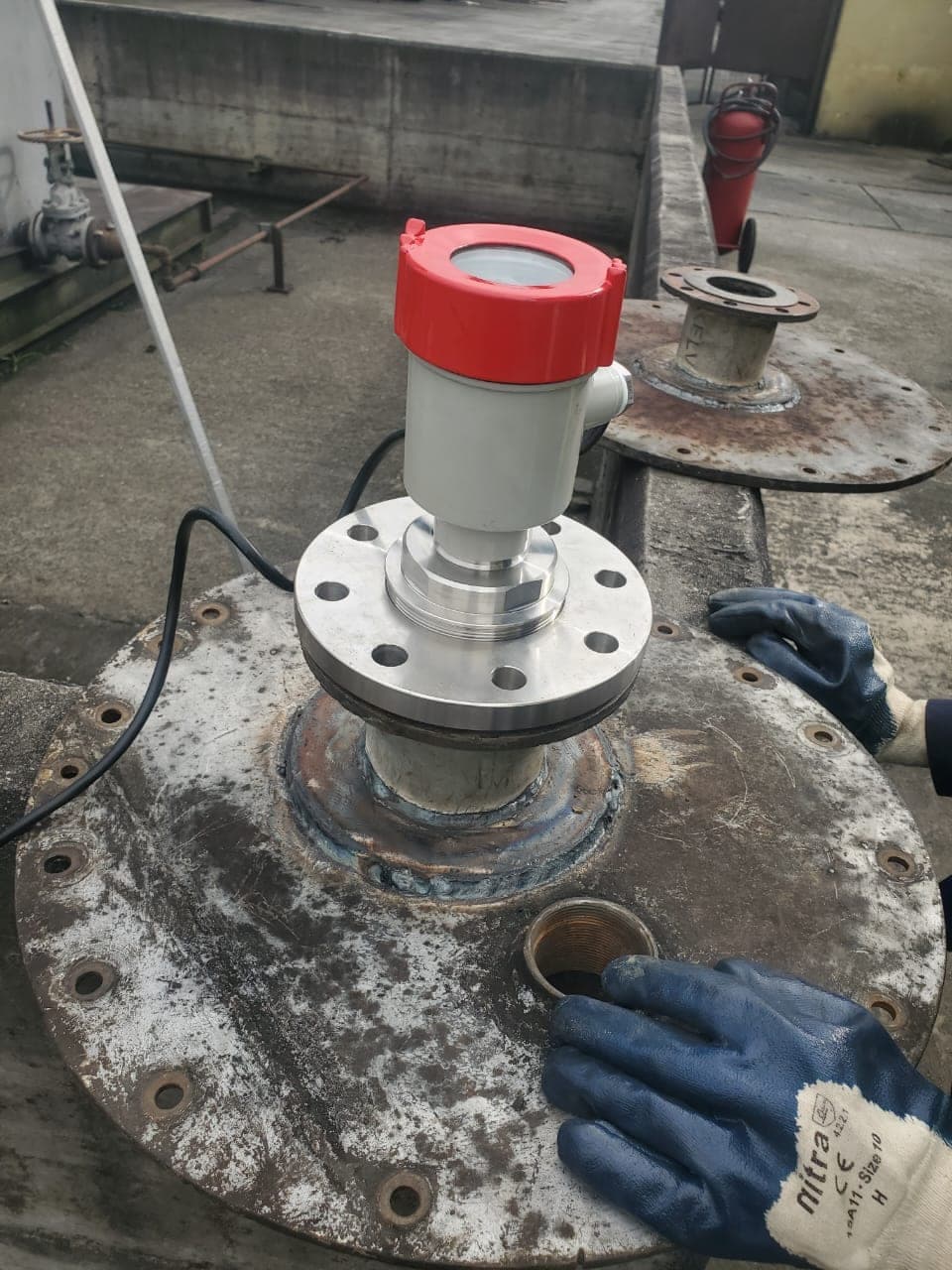
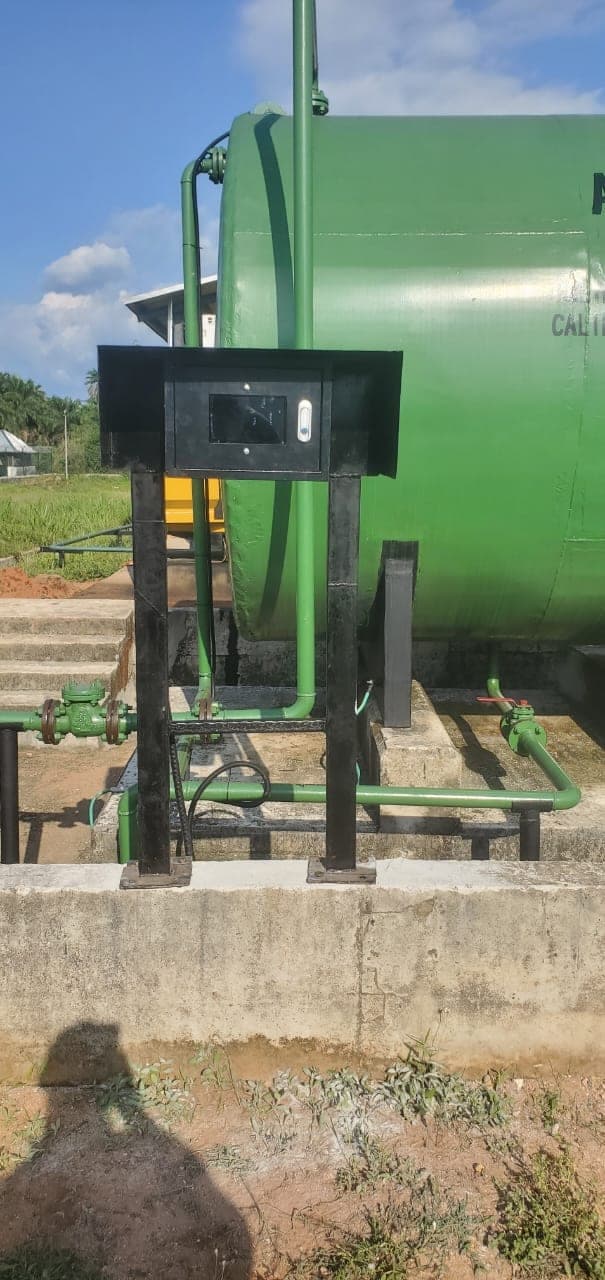
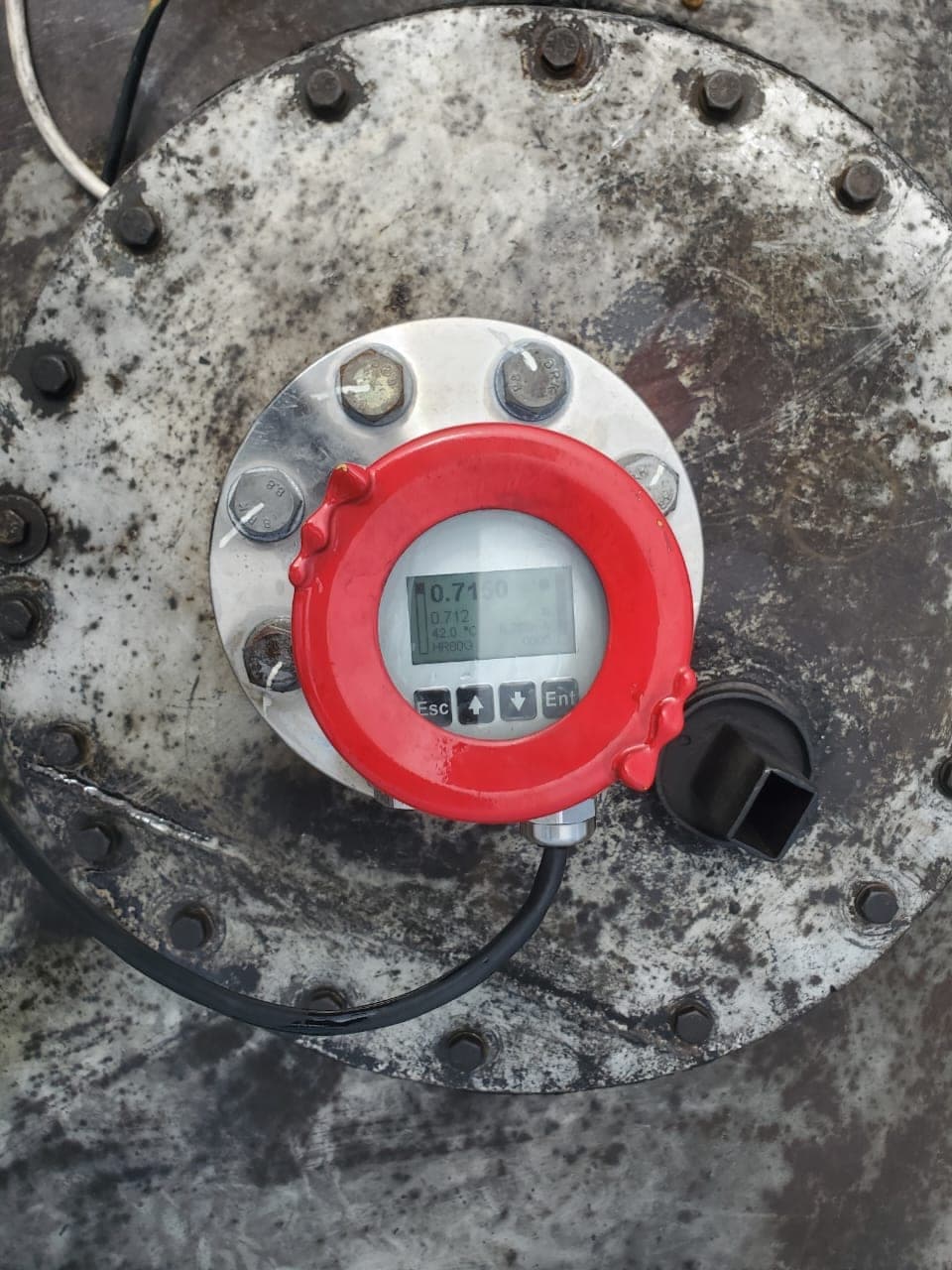
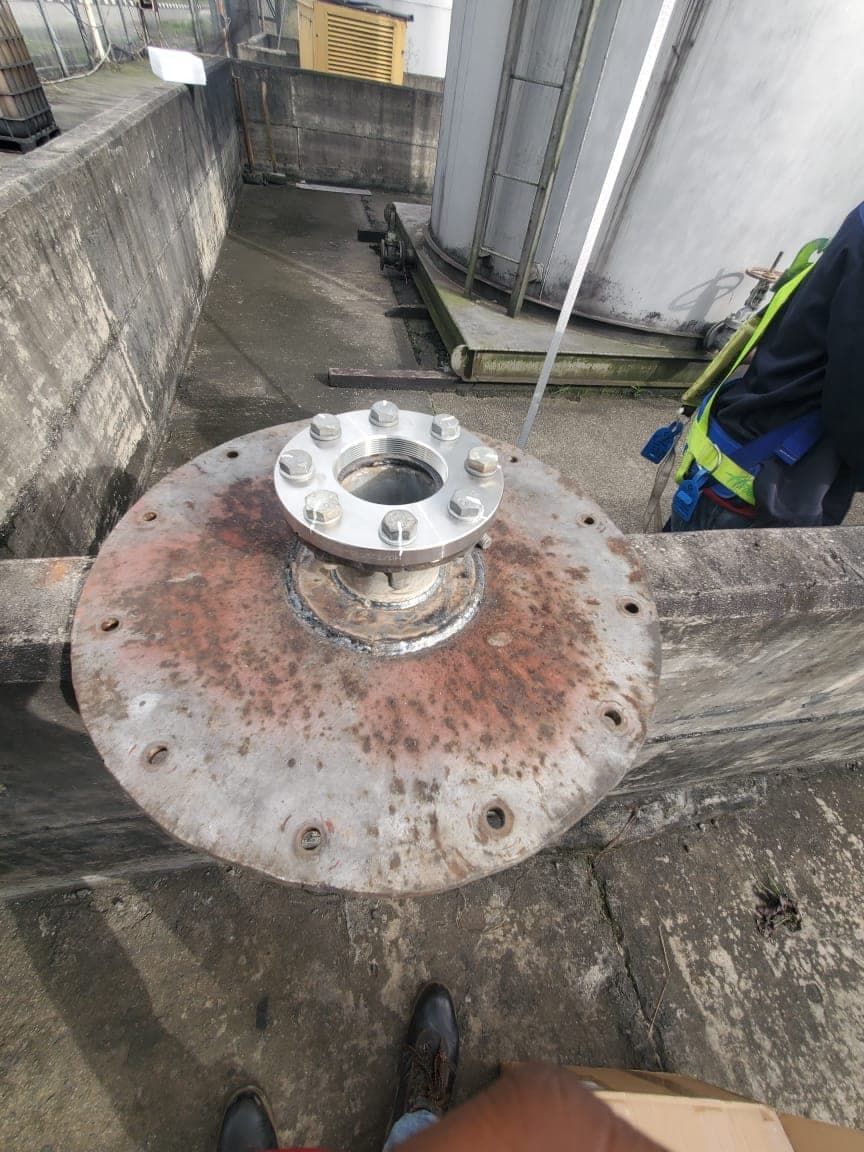
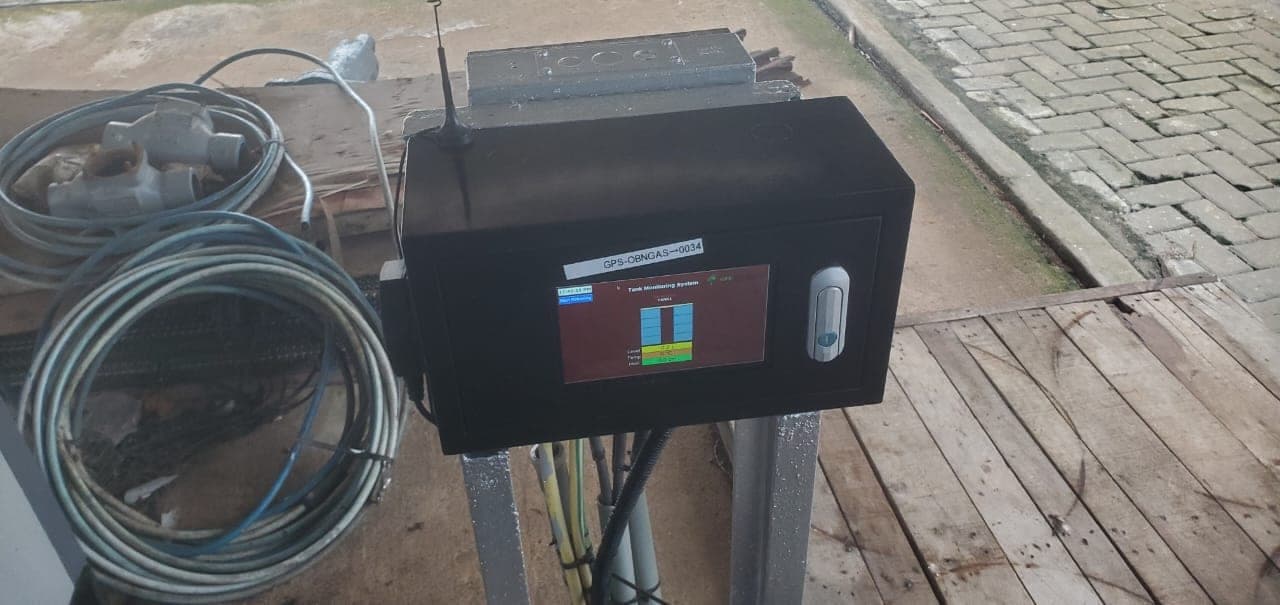
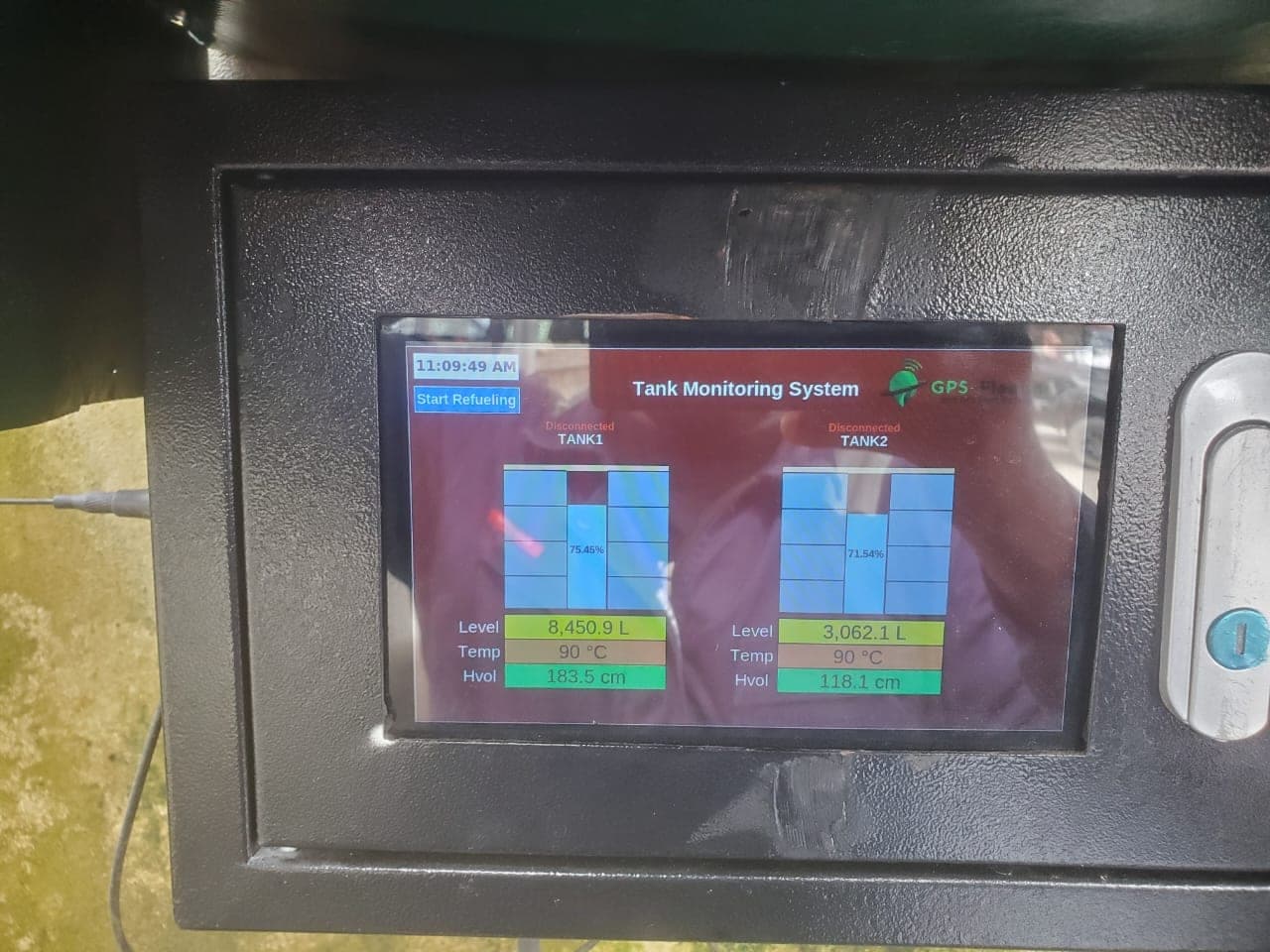
A Primera installation: non-contact radar on the tank manway, and the 4G monitoring controller mounted at the tank, photographed on site, not from a catalogue.
Manual dipping tells you about the tank at the moment someone checked it.
Traditional tank management relies on manual dipping, visual inspection or periodic measurements. The problem is simple: what happens between those checks? Diesel may be delivered, consumed or transferred without management having continuous visibility of the tank level.
The objective is not simply to know that there is fuel in the tank. It is to know how much fuel is there and how that inventory is changing.
From manual tank checks to a reading every few minutes.
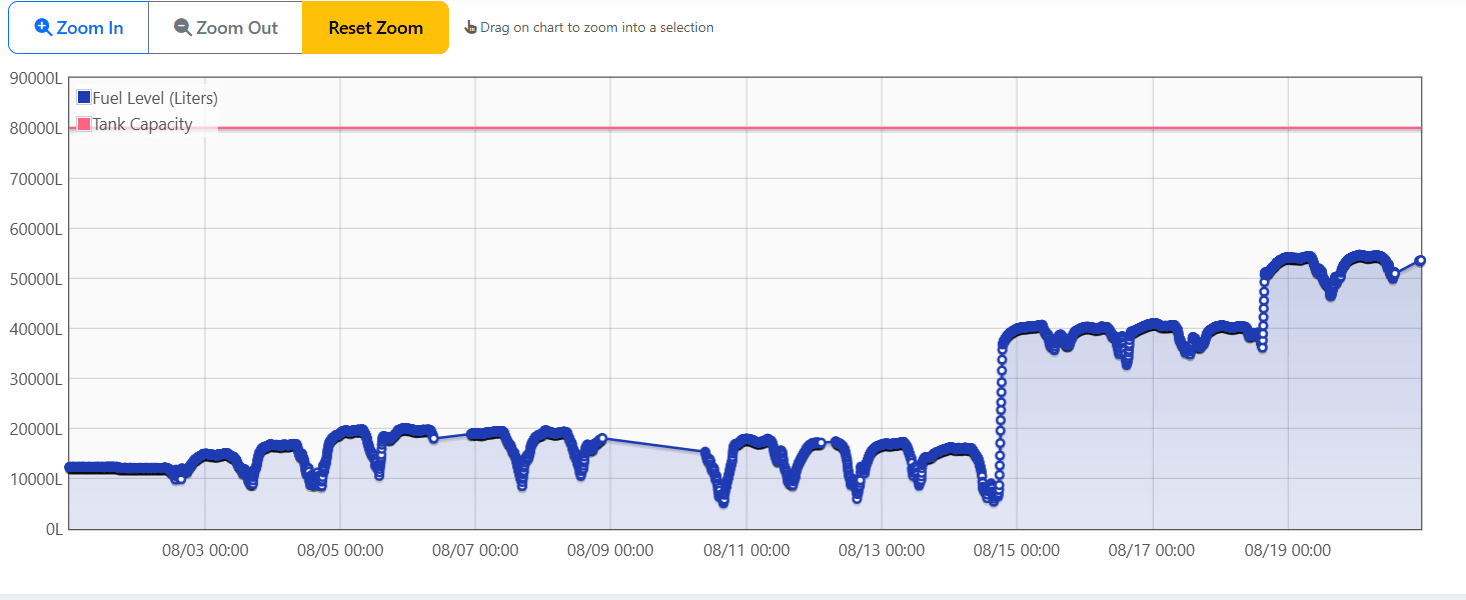
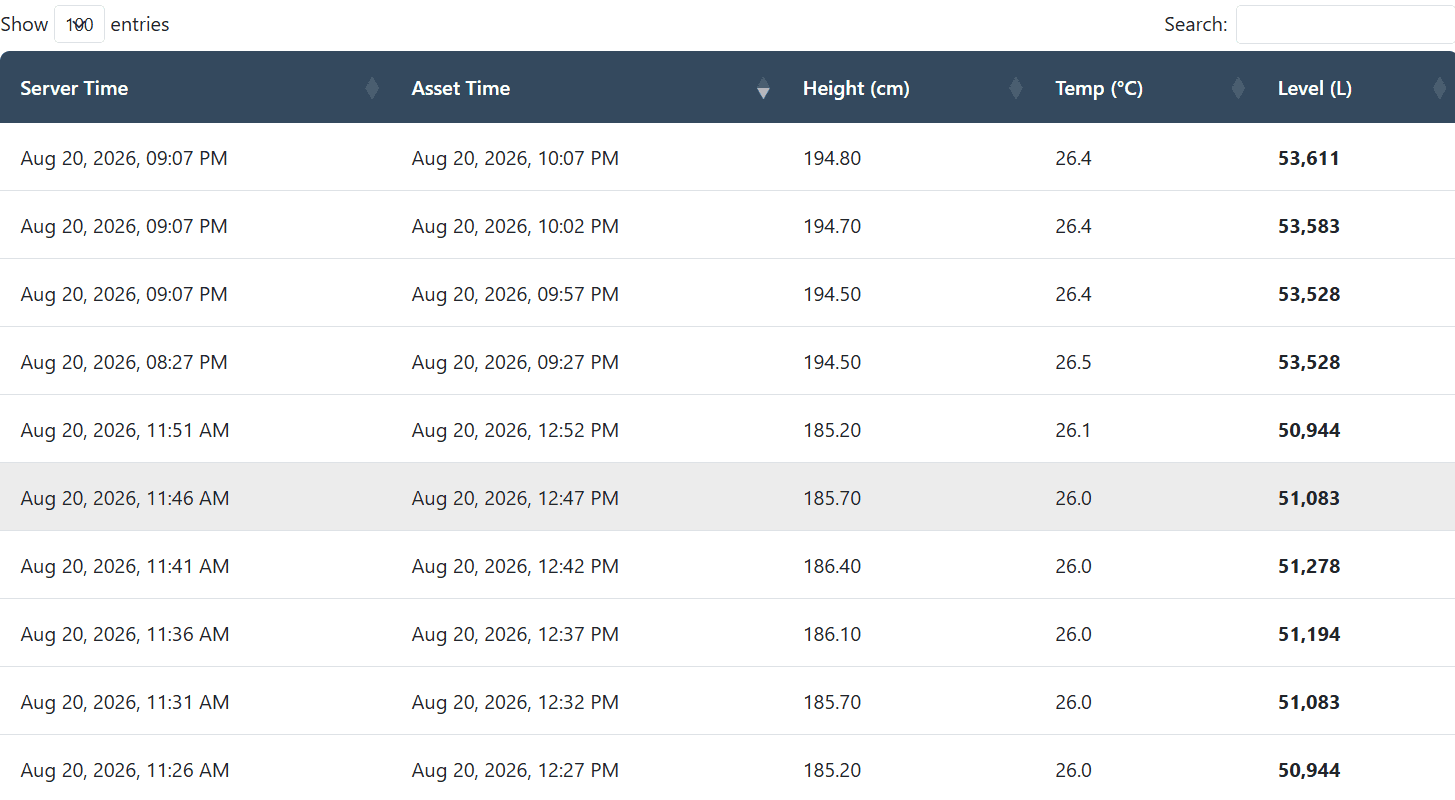
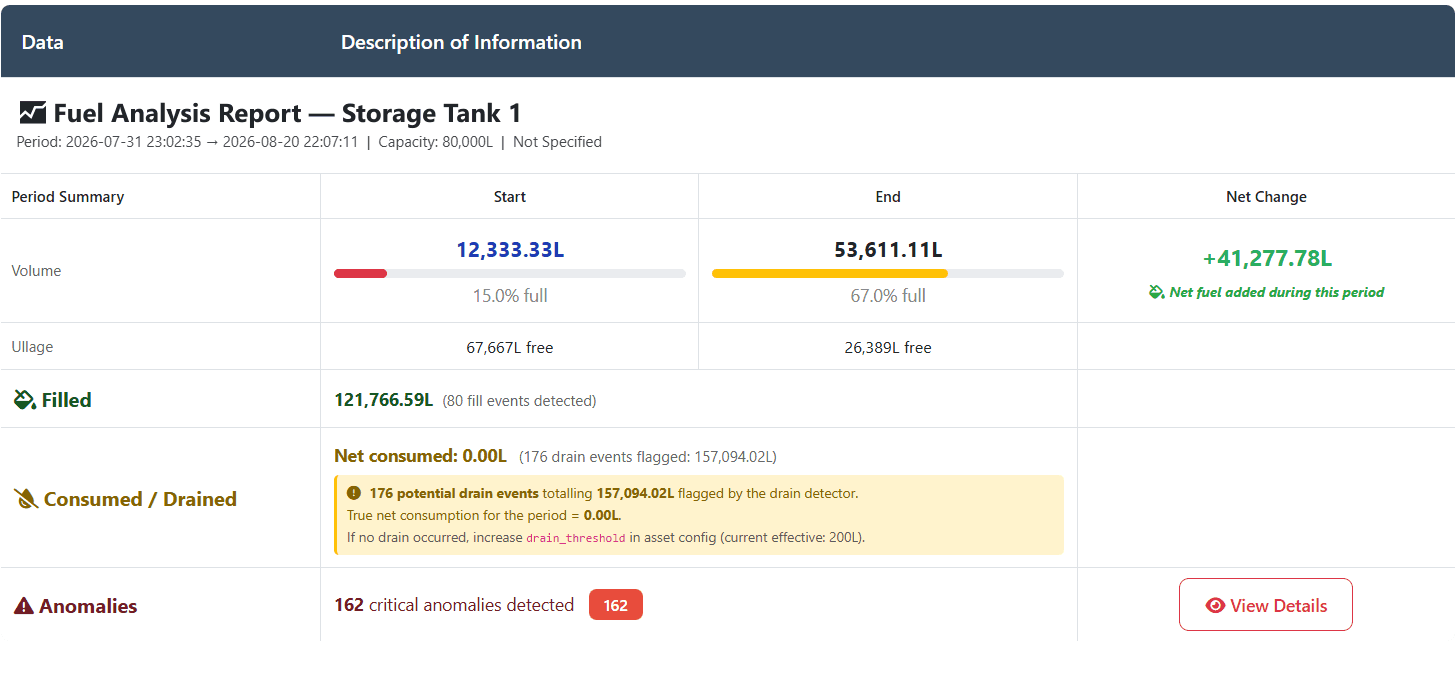
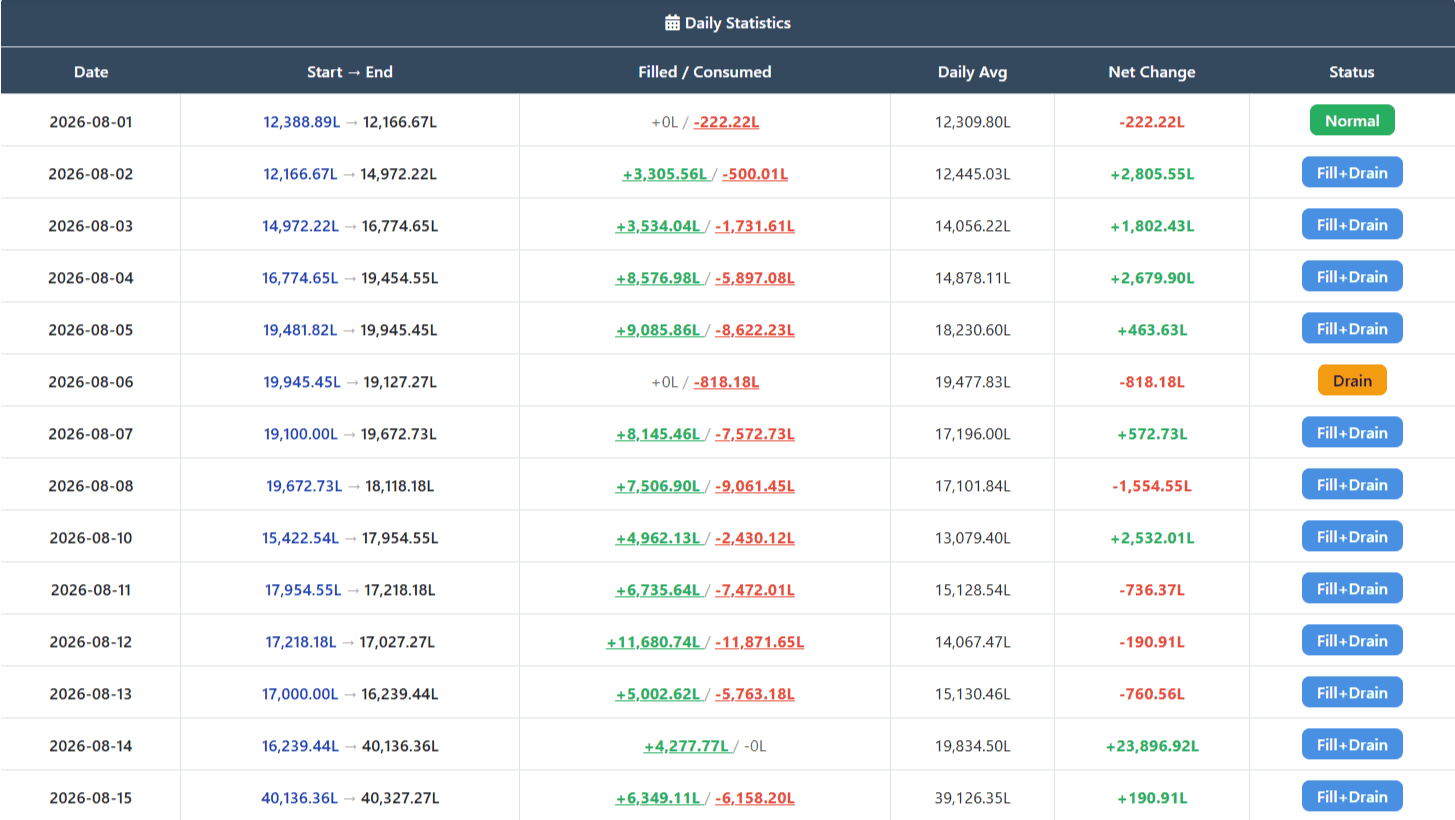
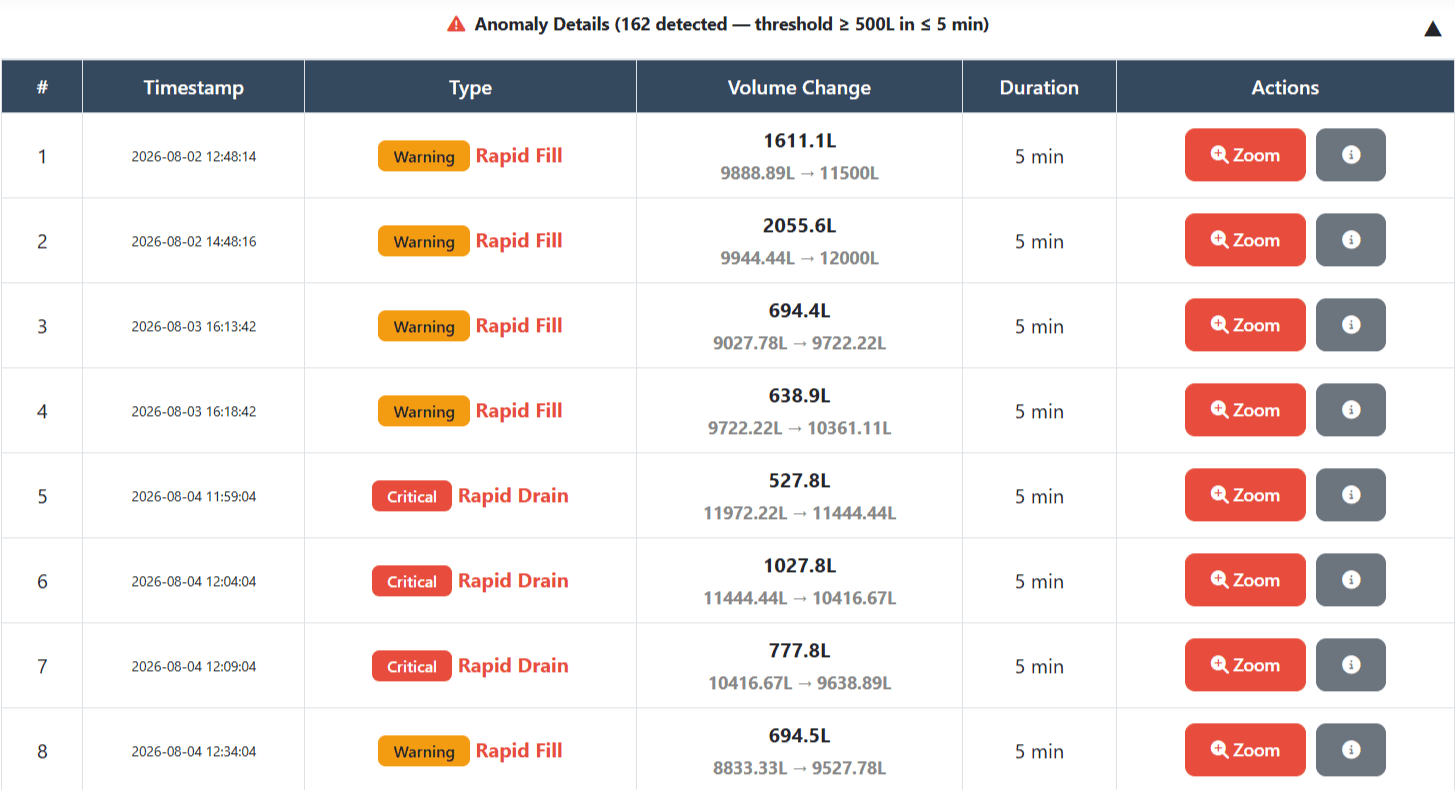
Live screens from GPSTankmatic, the tank-monitoring platform we install, calibrate and support ourselves.
Level and volume, measured, not implied.
The sensor measures level. After proper tank calibration, the platform converts that level into litres remaining and percentage full. Consumption is then derived from changes in inventory over time, so every figure traces back to a physical measurement with a timestamp.
Measure the diesel without putting a sensor into it.
Our recommended approach uses industrial radar for non-contact measurement. The sensor is installed at the top of the tank and measures the distance between itself and the surface of the diesel, the sensing process never touches the stored fuel.
Where higher performance matters, 80 GHz radar provides a focused measurement beam and high-resolution readings. A contact or submersible sensor can also be used, both approaches work, and we recommend the right one for your tank, not the one on the shelf.
Non-contact measurement
The sensing device sits above the stored fuel and reads the surface from the top of the tank. Nothing stays immersed in the diesel.
Low-maintenance approach
No immersed sensing element that needs routine removal for inspection or cleaning.
Continuous measurement
Tank levels are monitored around the clock, not only when someone climbs the tank with a dip stick.
High-resolution reading
80 GHz radar provides a focused beam and precise measurement of the distance to the fuel surface.
Digital integration
The sensor feeds a monitoring controller and 4G communication system, so the reading leaves the site automatically.
Built for the long term
Designed around permanent, continuous measurement rather than occasional manual readings.
When a submersible sensor is the right call
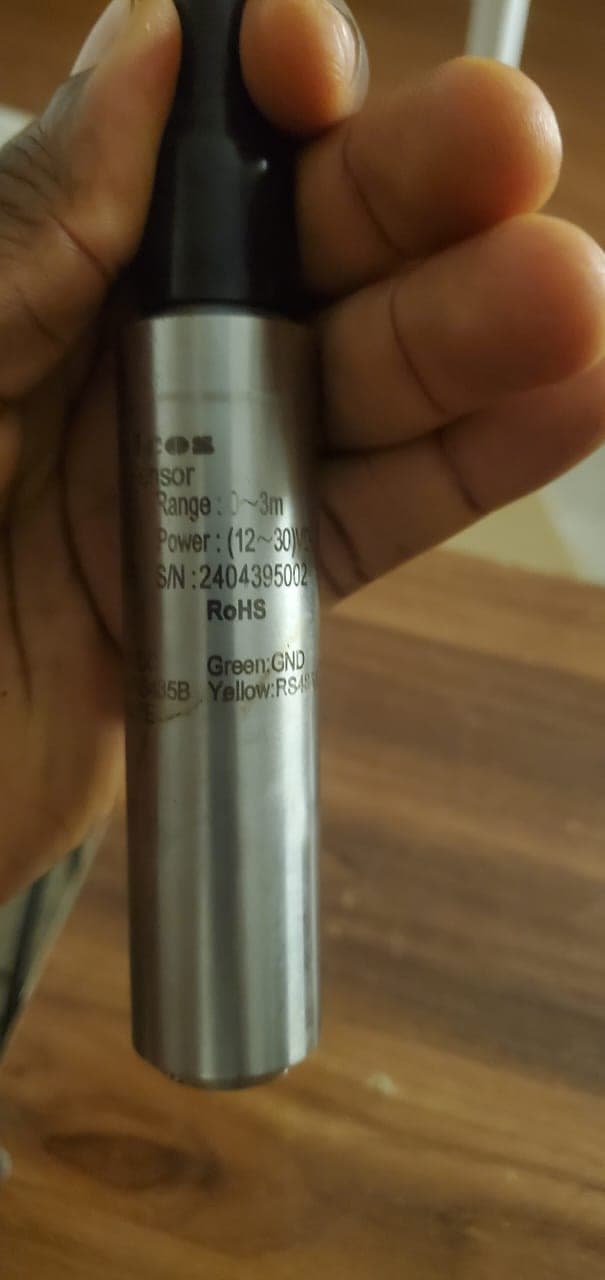
For some tanks, smaller capacities, tight manways, or where the budget leads, a contact sensor immersed in the fuel measures level through hydrostatic pressure and reports over RS485. It is a proven approach. We evaluate the tank, the fuel and the operation first, then recommend radar or submersible on merit.
The point isn’t automating a measurement. It’s fuel inventory control.
The system provides the measured closing inventory. When the expected figure and the actual measurement don’t agree, the variance can be investigated, and even small recurring discrepancies become significant when multiplied across months of operation.
- Unaccounted fuel losses
- Delivery discrepancies
- Unexpected consumption patterns
- Inventory inaccuracies
- Inefficient replenishment practices
The sensor is one part. The system is the product.
Sensor → 4G monitoring controller → central platform. For multiple tanks, one consolidated view of fuel inventory.
Not an equipment-supply exercise.
For a tank monitoring system to deliver reliable information, the sensor selection, tank installation, calibration, controller, communication infrastructure and monitoring process must work together. Our role is to design and integrate those components around your operation, and to still be here when the system needs support.
From a storage tank to a smart asset.
Tell us the tank size, what it feeds and where it sits. We’ll recommend the right sensor, install it properly and put the inventory on your screen.
Talk to an engineerTell us what you want to keep an eye on.
Send us a few details and we’ll come back with a straight answer, what it would take, and what it would change for you.